
Credit cards offer convenience and rewards, but they can also lead to high-interest debt if not managed carefully.
Recommended contents:
Understanding how to avoid interest charges and keep your spending under control is crucial for maintaining financial health.
This article provides comprehensive strategies to help you use your credit card wisely, avoid unnecessary interest payments, and manage your finances effectively.
Understanding Credit Card Interest
Before diving into strategies, it’s essential to understand how credit card interest works. Credit card companies charge interest on outstanding balances that are not paid in full by the due date.
The interest is typically calculated using the Average Daily Balance (ADB) method, where the daily balance is averaged over the billing cycle, and interest is applied accordingly.
1. Pay Your Balance in Full Each Month
The most effective way to avoid interest charges is to pay your credit card balance in full before the due date. This ensures that you won’t accrue any interest on your purchases.
By doing so, you take full advantage of your card’s grace period, which is the time between the end of your billing cycle and your payment due date during which no interest is charged on new purchases.
2. Make Multiple Payments Throughout the Month
Instead of waiting until the due date to make a payment, consider making multiple payments throughout the month. This approach reduces your average daily balance, which in turn lowers the amount of interest you accrue. For example, if you receive multiple paychecks during the month, allocate a portion of each paycheck toward your credit card payment.
3. Utilize Balance Transfer Offers Wisely
If you have existing credit card debt, transferring your balances to a card with a 0% introductory APR can help you save on interest. These offers typically last for a specified period, such as 12 to 18 months.
However, be aware of balance transfer fees, which usually range from 3% to 5% of the transferred amount. Ensure that the savings from the 0% APR outweigh the transfer fee.
4. Avoid Cash Advances
Cash advances from credit cards often come with high fees and interest rates. Unlike regular purchases, cash advances typically start accruing interest immediately, without a grace period.
Additionally, the interest rates on cash advances are usually higher than those for purchases. To avoid unnecessary charges, refrain from using your credit card for cash advances.
5. Set Up Alerts and Monitor Your Spending
Many credit card issuers offer alert services that notify you when your balance reaches a certain threshold or when a payment is due.
Setting up these alerts can help you stay on top of your spending and avoid overspending. Regularly monitoring your credit card activity ensures that you remain aware of your financial situation and can make adjustments as needed.
6. Negotiate Your Interest Rate
If you’ve been a responsible cardholder with a history of on-time payments, consider contacting your credit card issuer to request a lower interest rate.
While not all requests will be granted, it’s worth asking, especially if you have a good credit score and a solid payment history. A lower interest rate can significantly reduce the amount of interest you pay over time.
7. Use Debit Cards or Cash for Everyday Purchases
To prevent the temptation of overspending, consider using debit cards or cash for everyday purchases. Since these payment methods use funds you already have, they can help you stay within your budget and avoid accumulating credit card debt.
Additionally, using debit cards or cash eliminates the risk of interest charges associated with credit card purchases.
8. Build an Emergency Fund
Having an emergency fund can prevent you from relying on credit cards during unexpected situations, such as medical emergencies or car repairs. By setting aside money for emergencies, you reduce the likelihood of carrying a balance on your credit card and incurring interest charges.
Financial experts recommend having at least three to six months’ worth of living expenses saved in an easily accessible account.
9. Practice Mindful Spending
Mindful spending involves being conscious of your purchasing decisions and understanding the impact of those decisions on your financial well-being.
Before making a purchase, ask yourself if it’s necessary and if it fits within your budget. By practicing mindful spending, you can avoid impulse buys that lead to credit card debt and interest charges.
10. Seek Professional Financial Advice
If you’re struggling to manage your credit card debt or need assistance in creating a budget, consider seeking advice from a certified financial planner or credit counselor. These professionals can provide personalized strategies to help you reduce debt, improve your credit score, and achieve your financial goals.
Choosing the Right Credit Card for Your Needs
Selecting the right credit card is a key part of managing interest charges and staying in control of your finances. Different cards offer different features—some are ideal for building credit, while others reward spending. Here are a few options to consider, depending on your goals:
Credit One Bank Card
Perfect for individuals rebuilding or establishing credit, the Credit One Bank Card offers:
- Cash Back Rewards on eligible everyday purchases like gas and groceries.
- Free Credit Score Tracking, so you can monitor your financial progress.
- Flexible Terms, with some cards offering no annual fee depending on your credit profile.
- Ideal for those who want both credit-building features and simple rewards.
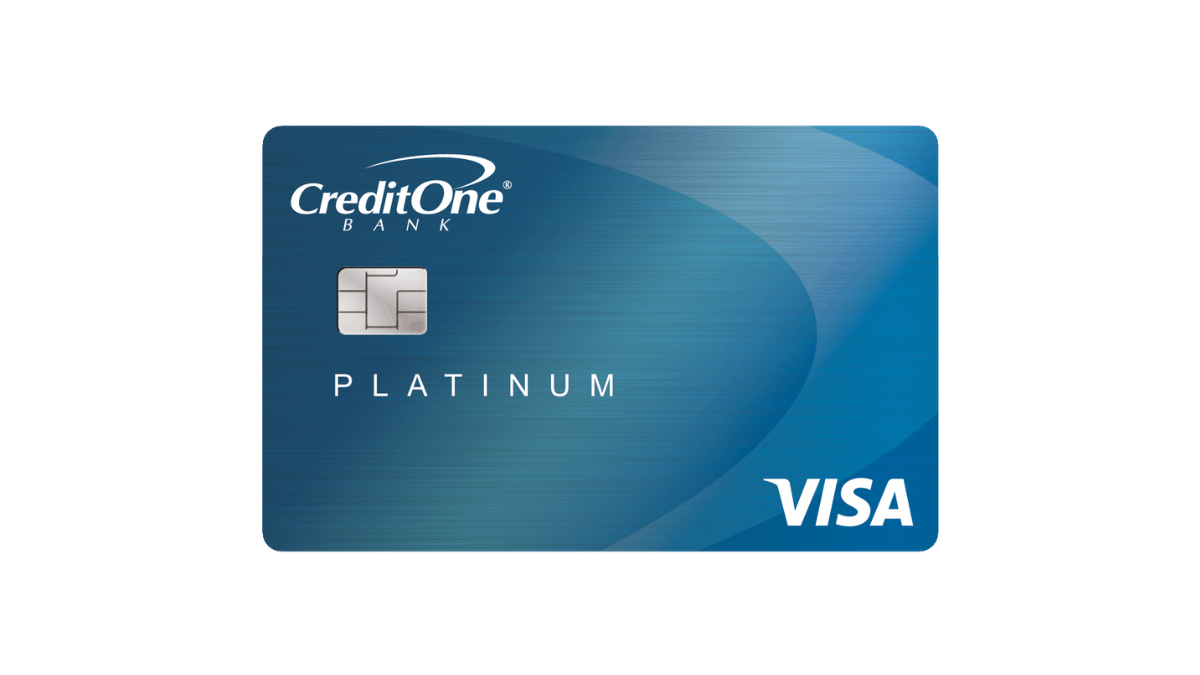
Credit One Bank Card
Credit One Bank Card: A Comprehensive Guide to Financial Flexibility
Citi Rewards+® Credit Card
A smart choice for those who spend strategically and want to earn rewards:
- Points Round-Up Feature: Every purchase rounds up to the nearest 10 points, so small purchases add up faster.
- 0% Intro APR on purchases and balance transfers for a limited time.
- Great for users who want to earn points on everyday spending and pay no interest if balances are paid within the promo period.
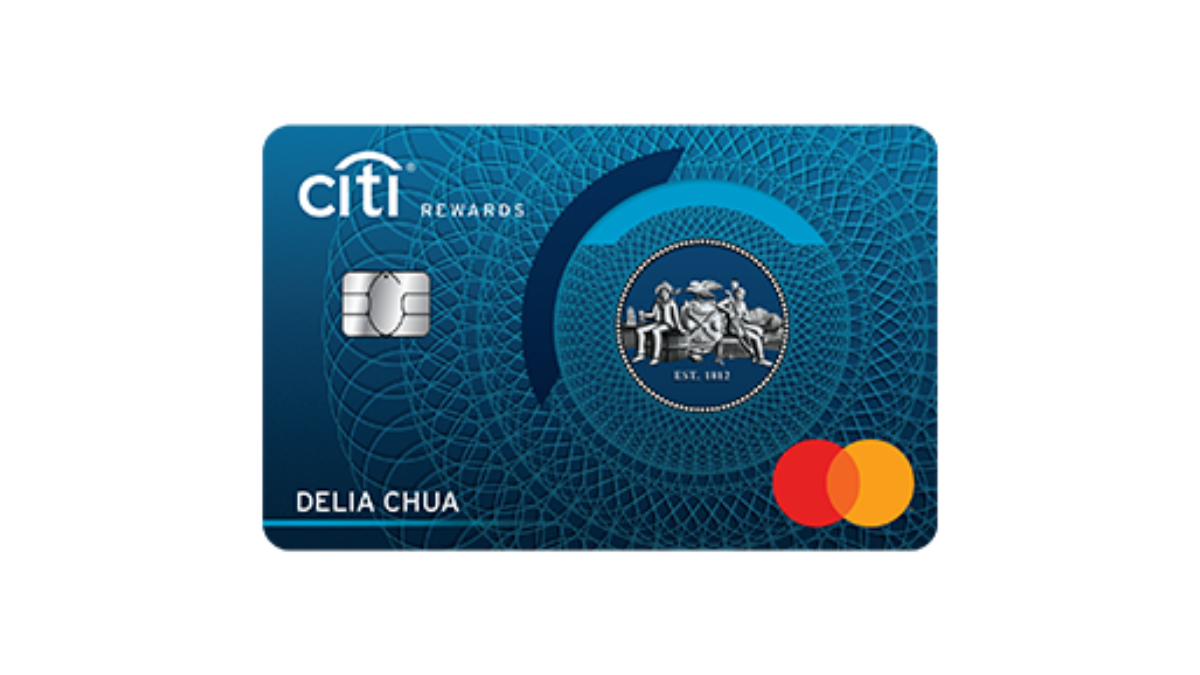
Credit Card
Citi Rewards Credit Card
OpenSky® Secured Credit Card
Best suited for those with no credit history or past credit challenges:
- No Credit Check Required to apply, making it accessible to more people.
- Security Deposit-Based: You provide a refundable deposit which becomes your credit line.
- Reports to All Three Major Credit Bureaus, helping build credit over time.
- A practical tool for starting or rebuilding credit with responsible use.
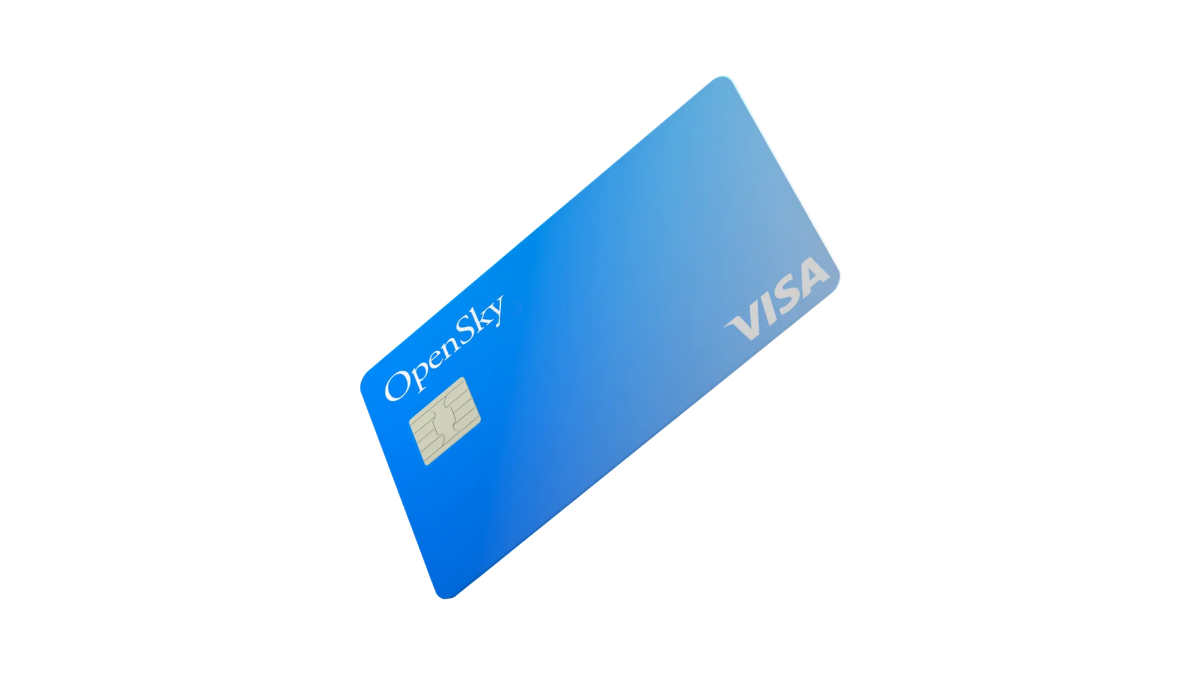
Credit Card
OpenSky Credit Card
Frequently Asked Questions
Q: What is the grace period on credit cards?
A: The grace period is the time between the end of your billing cycle and your payment due date during which no interest is charged on new purchases, provided you pay your balance in full.
Q: Can I avoid interest charges if I make only the minimum payment?
A: Making only the minimum payment will not prevent interest charges. Interest will accrue on the remaining balance, and it may take longer to pay off your debt.
Q: Are balance transfer offers always beneficial?
A: Balance transfer offers can be beneficial if the 0% APR period lasts long enough to pay off the balance and if the transfer fee is reasonable. Always calculate the total cost before transferring balances.
Conclusion
Avoiding credit card interest charges and keeping spending under control requires discipline, planning, and awareness.
By paying your balance in full, making multiple payments, avoiding cash advances, and practicing mindful spending, you can maintain financial health and avoid unnecessary debt. Remember, using your credit card wisely is a powerful tool for building credit and achieving financial goals.
For more information on managing credit cards and personal loans, explore our comprehensive guides and resources. Stay informed and make empowered financial decisions.