
Credit card are powerful financial tools that, when used responsibly, can enhance your purchasing power, build your credit score, and offer various rewards.
Recommended contents:
However, many individuals unknowingly fall into common traps that can lead to debt accumulation, damaged credit, and unnecessary expenses. Understanding these pitfalls and how to avoid them is crucial for maintaining financial health.
In this comprehensive guide, we will delve into the most prevalent credit card mistakes, providing you with actionable strategies to navigate them effectively.
Whether you’re a seasoned cardholder or new to credit, this information is designed to empower you to make informed decisions and use your credit cards to your advantage.
1. Missing Payments
One of the most detrimental mistakes is failing to make timely payments. Your payment history constitutes a significant portion of your credit score. A single missed payment can negatively impact your credit score and may result in late fees.
How to Avoid It:
- Set Up Automatic Payments: Ensure at least the minimum payment is made each month.
- Use Calendar Reminders: Mark due dates on your calendar or set up digital alerts.
- Pay More Than the Minimum: Whenever possible, pay more than the minimum to reduce your balance faster.
2. Carrying a Balance
Transferring balances from month to month may seem manageable, but it accrues interest, leading to higher debt over time. High credit utilization can also negatively affect your credit score.
How to Avoid It:
- Pay Your Balance in Full: Aim to pay off your credit card balance every month.
- Prioritize High-Interest Debts: Focus on paying off cards with higher interest rates first.
- Avoid Unnecessary Purchases: Be mindful of your spending habits to prevent accumulating debt.
3. Only Making Minimum Payments
While making the minimum payment avoids late fees, it prolongs debt repayment and increases the total interest paid over time.
How to Avoid It:
- Pay More Than the Minimum: Even small additional payments can significantly reduce your debt.
- Create a Repayment Plan: Develop a strategy to pay off your debt systematically.
- Consider Balance Transfers: If applicable, transfer balances to cards with lower interest rates.
4. Ignoring Credit Card Statements
Overlooking your credit card statements can lead to missed fraudulent charges or billing errors.
How to Avoid It:
- Review Statements Regularly: Examine each statement for accuracy.
- Report Discrepancies Promptly: Contact your card issuer immediately if you notice any issues.
- Keep Records: Maintain copies of receipts and statements for reference.
5. Overlooking Rewards and Benefits
Many credit cards offer rewards programs, but failing to utilize them means missing out on potential benefits.
How to Avoid It:
- Understand Your Card’s Rewards Program: Familiarize yourself with how to earn and redeem rewards.
- Use Your Card for Eligible Purchases: Make purchases that align with your card’s reward categories.
- Monitor Expiration Dates: Be aware of any expiration dates for rewards points or benefits.
6. Applying for Multiple Cards Simultaneously
Each credit card application results in a hard inquiry on your credit report, which can temporarily lower your credit score.
How to Avoid It:
- Space Out Applications: Apply for new credit cards only when necessary and space out applications.
- Research Before Applying: Ensure you meet the eligibility requirements before applying.
- Monitor Your Credit Score: Keep track of your credit score to understand how applications affect it.
7. Closing Old Accounts
Closing old credit card accounts can shorten your credit history and increase your credit utilization ratio, potentially lowering your credit score.
How to Avoid It:
- Keep Accounts Open: Maintain old accounts open, especially if they have no annual fee.
- Use Accounts Occasionally: Make small purchases periodically to keep the account active.
- Consider Alternatives: If tempted to close an account, consider downgrading to a no-fee version instead.
8. Not Understanding Terms and Fees
Not fully understanding your credit card’s terms, including interest rates, fees, and rewards structure, can lead to unexpected costs.
How to Avoid It:
- Read the Fine Print: Carefully review all terms and conditions before accepting a credit card.
- Ask Questions: Contact your card issuer to clarify any uncertainties.
- Stay Informed: Regularly check for any changes to your card’s terms.
9. Using Credit Cards for Non-Essential Purchases
Relying on credit cards for non-essential items can lead to unnecessary debt accumulation.
How to Avoid It:
- Budget Wisely: Allocate funds for discretionary spending without relying on credit.
- Prioritize Needs Over Wants: Focus on essential purchases and save for non-essential items.
- Build an Emergency Fund: Establish a fund to cover unexpected expenses without using credit.
10. Ignoring Credit Utilization Ratio
Your credit utilization ratio, the percentage of your credit limit you’re using, significantly impacts your credit score. A high ratio can signal to lenders that you’re overextended, even if you’re making payments on time.
How to Avoid It:
- Keep Utilization Below 30%: Financial experts recommend keeping your balance under 30% of your total credit limit. For example, if you have a $1,000 limit, try to keep your balance under $300 at all times.
- Make Multiple Payments a Month: If you use your card frequently, making two or more payments throughout the month can keep your reported balance low and improve your utilization rate.
- Request a Credit Limit Increase: If you’re consistently making on-time payments, your issuer may raise your limit, helping lower your utilization ratio without changing your spending habits.
Understanding the Role of Credit Cards from Major Issuers
Before diving into specific card recommendations, it’s important to understand that not all credit cards are created equal. Different banks offer unique terms, benefits, and even credit-building features, especially helpful for those rebuilding or establishing credit.
Discover Secured Credit Card
The Discover Secured Credit Card is a secured credit card that helps users build or rebuild credit while earning rewards. It requires a refundable security deposit, with the credit limit equal to the deposit amount.
It has no annual fee and offers cashback on purchases, including 2% at gas stations and restaurants (up to a quarterly limit) and 1% on all other purchases. It also includes free credit score monitoring and the possibility to transition to an unsecured card with responsible use.
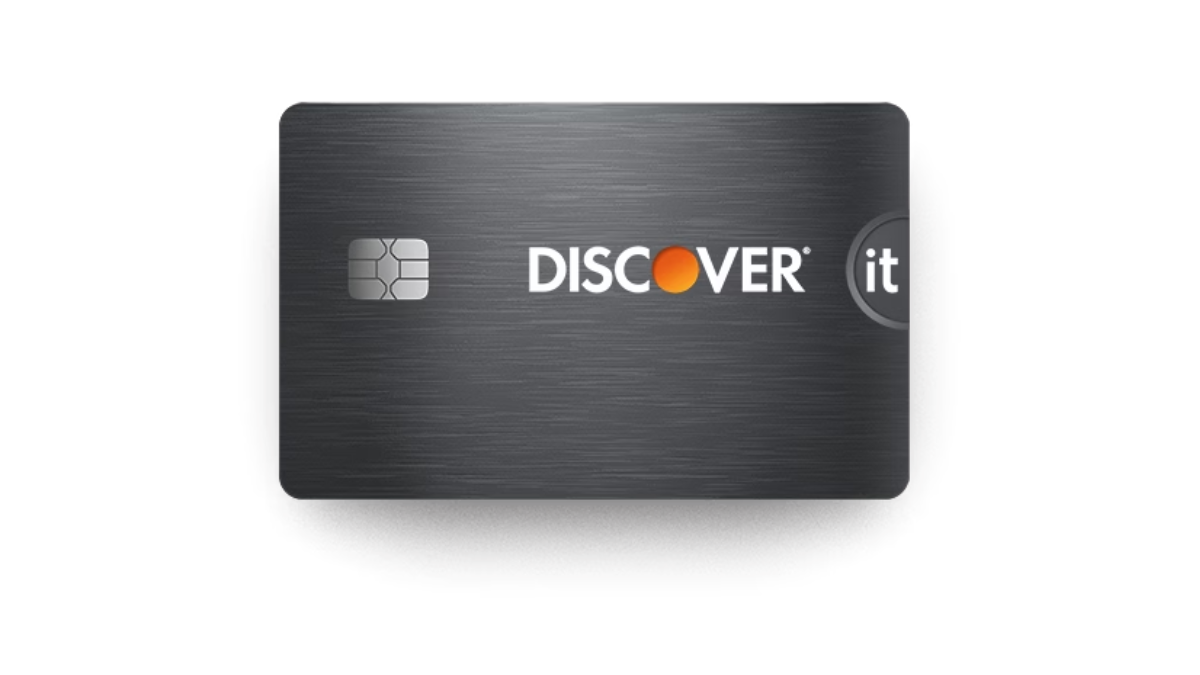
Secured Credit Card
Discover Secured Credit Card: Your Guide to Building Credit Responsibly
Credit One Bank Card
Offered by Credit One Bank, this card provides cashback rewards on everyday purchases like gas and groceries, which is helpful for budget-conscious users.
While it may come with annual fees depending on your credit profile, it’s a viable option for those looking to transition from a secured to an unsecured card and improve their credit standing.
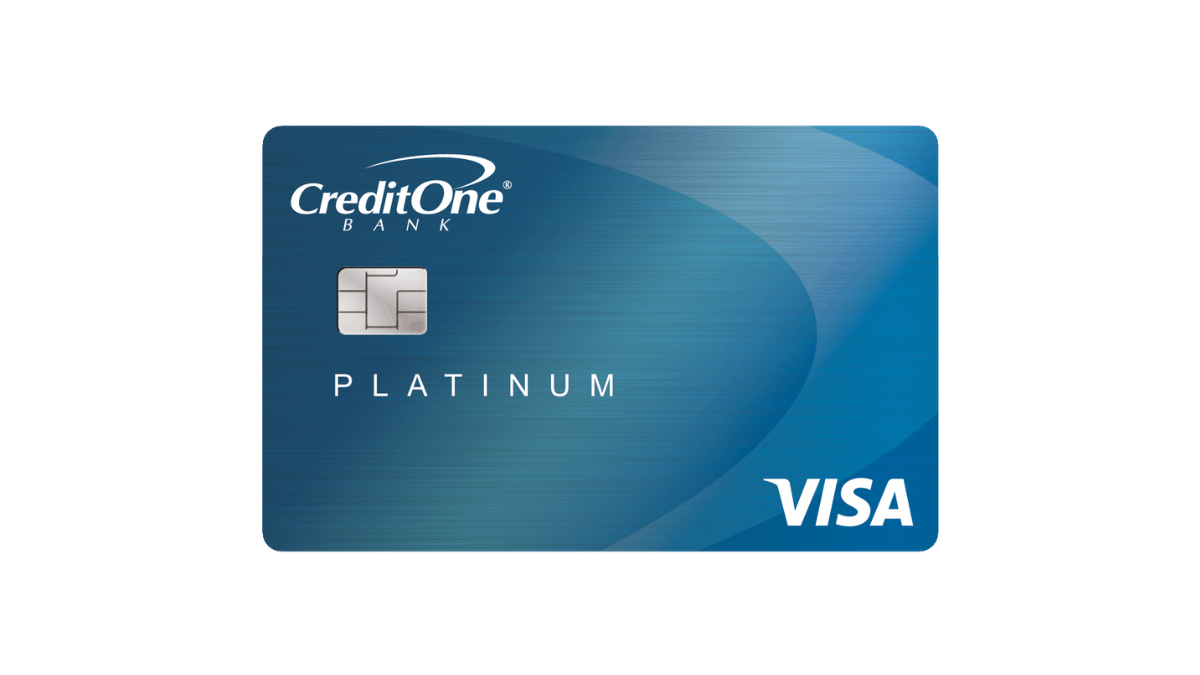
One Bank
Credit One Bank Card
Chime Credit Card
The Chime Credit Builder Card works a bit differently from traditional cards. It’s a secured card with no annual fees or interest, designed to help users safely build credit by spending what they’ve already deposited into a linked account. It’s especially effective for those with poor or no credit history.
These cards differ in structure and benefit, but all can be tools for building better credit behavior—so long as they are used responsibly.
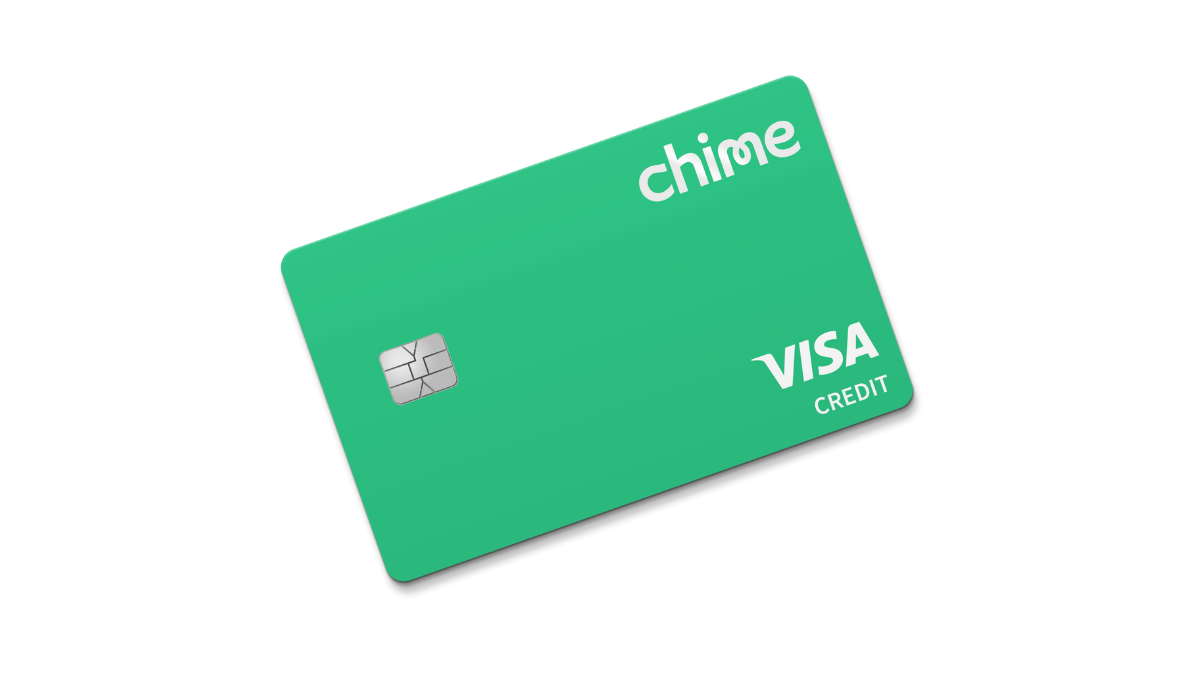
Chime
Chime Credit Card
Step-by-Step Guide to Smarter Credit Card Usage
To avoid the most common mistakes, here’s a step-by-step guide to help you develop healthy credit habits that keep your finances in check:
Step 1: Set a Clear Spending Limit
Before you use your credit card, decide how much you’re comfortable spending and make that your personal limit—even if your credit line is much higher. This will help you avoid overspending and accumulating debt.
Step 2: Monitor Your Statements Weekly
Make it a habit to review your transactions at least once a week. This not only helps you catch fraudulent charges early, but also keeps you more aware of your spending habits.
Step 3: Pay More Than the Minimum
Minimum payments are designed to stretch your repayment—and increase interest. Even a small additional payment can reduce what you owe faster and help maintain a strong credit profile.
Step 4: Automate, but Don’t Forget
Set up auto-pay for at least the minimum amount due, but always manually check the statement before the due date. This double-layer system helps you avoid missed payments while staying on top of your budget.
Step 5: Use Credit Strategically
Only use your card for planned purchases you already have the money to pay for. Avoid using it as a solution for impulse buys or emotional spending.
Frequently Asked Questions
What is the most damaging credit card mistake?
Missing payments is one of the most damaging credit card mistakes. It not only results in fees and interest, but it also significantly harms your credit score.
How many credit cards should I have?
There’s no universal answer, but most experts recommend having two to three cards—enough to manage your credit utilization and build history, but not so many that it becomes hard to track.
Is carrying a small balance good for my credit?
No. Contrary to popular belief, carrying a balance doesn’t help your credit score. Paying off your balance in full each month is better for your financial health and credit profile.
Should I close old credit cards?
Generally, it’s better to keep old cards open, especially if they have no annual fee. Older accounts contribute to your credit history and help maintain a low credit utilization ratio.
Can I avoid interest entirely?
Yes. By paying your balance in full every month, you can completely avoid interest charges due to the grace period offered by most credit card issuers.
Conclusion: Mistake-Free Credit Card Use is Possible
Understanding and avoiding common credit card mistakes can mean the difference between financial freedom and long-term debt.
From missing payments to ignoring your credit utilization, these errors are often avoidable with a bit of attention and routine.
Remember, credit cards aren’t inherently bad. In fact, when used correctly, they can be a valuable asset in your financial toolkit.
The goal is to treat credit not as an extension of income but as a tool for convenient, protected, and trackable transactions—with built-in benefits like rewards, fraud protection, and credit-building potential.
To explore reliable financial products, compare top-rated credit cards and personal loans, and learn more about safe banking options, visit the rest of our blog. Our experts are committed to helping you make smarter money decisions.