
Credit card have become an essential part of daily financial life for millions of Americans. From online shopping and recurring bills to travel and emergency expenses, these little pieces of plastic offer unmatched convenience.
Recommended contents:
But behind their sleek design lies a powerful financial tool—one that can either help you build a solid financial foundation or slowly trap you in a cycle of debt if misused.
The truth is, credit cards can be both a blessing and a burden. When used strategically, they can improve your credit score, unlock valuable rewards, and provide short-term financial flexibility.
However, when mismanaged—through overspending, carrying high balances, or missing payments—they can lead to mounting interest charges, financial anxiety, and long-term credit damage.
If you’re currently considering your credit card options or wondering how to manage them better, keep reading—you’ll find practical advice, expert insights, and real-world strategies to make informed financial decisions.
What Is a Credit Card and How Does It Work?
At its core, a credit card is a revolving line of credit issued by a bank or credit institution, allowing you to borrow funds up to a pre-approved limit. Each time you make a purchase using your card, you’re essentially taking out a short-term loan.
The issuer pays the merchant on your behalf, and you agree to repay that amount—either in full by the billing due date or over time with added interest.
Every month, your credit card provider will send you a statement that details your transactions, the total amount owed, the minimum payment due, and the due date. If you pay the full amount on time, you avoid interest charges thanks to a feature called the grace period. However, if you carry a balance from one month to the next, you’ll begin to accrue interest—sometimes at rates of 20% APR or more, depending on your credit profile and card type.
Understanding this cycle is essential because it forms the foundation of how credit cards impact your financial health. If you’re not fully aware of how interest compounds, how minimum payments work, or how credit utilization affects your score, you may end up treating your card as an extension of your income rather than a short-term borrowing tool.
Why Credit Cards Can Be a Valuable Financial Tool
When used with discipline and knowledge, credit cards offer several features that can enhance your financial stability and even save you money in the long run.
One of the primary benefits is the ability to build and improve your credit score. Your payment history, length of credit, and credit utilization ratio all contribute to your credit score—and responsible use of a credit card can positively influence each of these factors.
In addition to building credit, many credit cards come with rewards programs. These may include cash back, travel points, or store discounts that can be redeemed in a variety of ways.
Some cards even provide access to perks like extended warranties, purchase protection, and travel insurance—features that can add tremendous value when used intentionally.
Most importantly, credit cards offer a layer of protection against fraud and disputes. Unlike debit cards, which withdraw funds directly from your bank account, credit card companies typically investigate and resolve fraudulent charges before requiring payment. This makes them a safer option for large or online purchases and travel-related expenses.
The Risks of Misusing Credit Cards
Mismanagement of credit cards can lead to significant financial problems:
- High-Interest Debt: Carrying balances from month to month accrues interest, increasing debt.
- Late Fees: Missing payments can result in penalties and higher interest rates.
- Credit Score Damage: High balances and missed payments can negatively impact your credit score.
- Debt Cycle: Accumulating debt can lead to financial stress and difficulty in repayment.
Tips to Use Credit Cards Wisely
To harness the benefits of credit cards without falling into debt, consider the following strategies:
1. Pay Your Balance in Full
Avoid interest charges by paying off your balance each month. This practice ensures you’re not paying more than necessary for your purchases.
2. Make Payments On Time
Late payments can incur fees and increase your interest rates. Set up reminders or automate payments to ensure timely settlements.
3. Keep Balances Low Relative to Your Credit Limit
Maintaining a low credit utilization ratio (the percentage of your credit limit you’re using) can positively impact your credit score.
4. Avoid Unnecessary Purchases
Use credit cards for planned expenses rather than impulse buys. This approach helps in managing your budget effectively.
5. Understand the Terms
Be aware of your card’s interest rates, fees, and rewards programs. Understanding these can help you make informed decisions and avoid surprises.
Managing Credit Card Debt
If you find yourself with existing credit card debt, consider the following steps:
- Assess Your Debt: List all your credit cards, balances, interest rates, and minimum payments.
- Prioritize Payments: Focus on paying off high-interest debts first to reduce the overall cost.
- Consider Balance Transfers: Some cards offer 0% APR for balance transfers, which can help in paying down debt faster.
- Seek Professional Advice: If debt becomes unmanageable, consult a financial advisor or credit counseling service.
Financial Products to Consider
Choosing the right credit card is an essential step toward building or maintaining financial health. Whether you’re just starting your credit journey or looking to get more from your everyday spending, different cards offer different advantages. Here’s a closer look at three popular options and what they bring to the table:
Petal 1® Credit Card
Ideal for: Beginners or individuals with limited/no credit history
The Petal 1 Credit Card is designed for people who are new to credit or have faced credit challenges in the past. It offers:
- No Fees: No annual fee, late fees, or international transaction fees.
- Credit Reporting: Reports to all three major credit bureaus, helping you build a credit history.
- Cash Back: Earn between 2%–10% cash back at select merchants.
- No Security Deposit: Unlike secured cards, Petal 1 doesn’t require an upfront deposit.

Petal 1
Petal 1 Credit Card
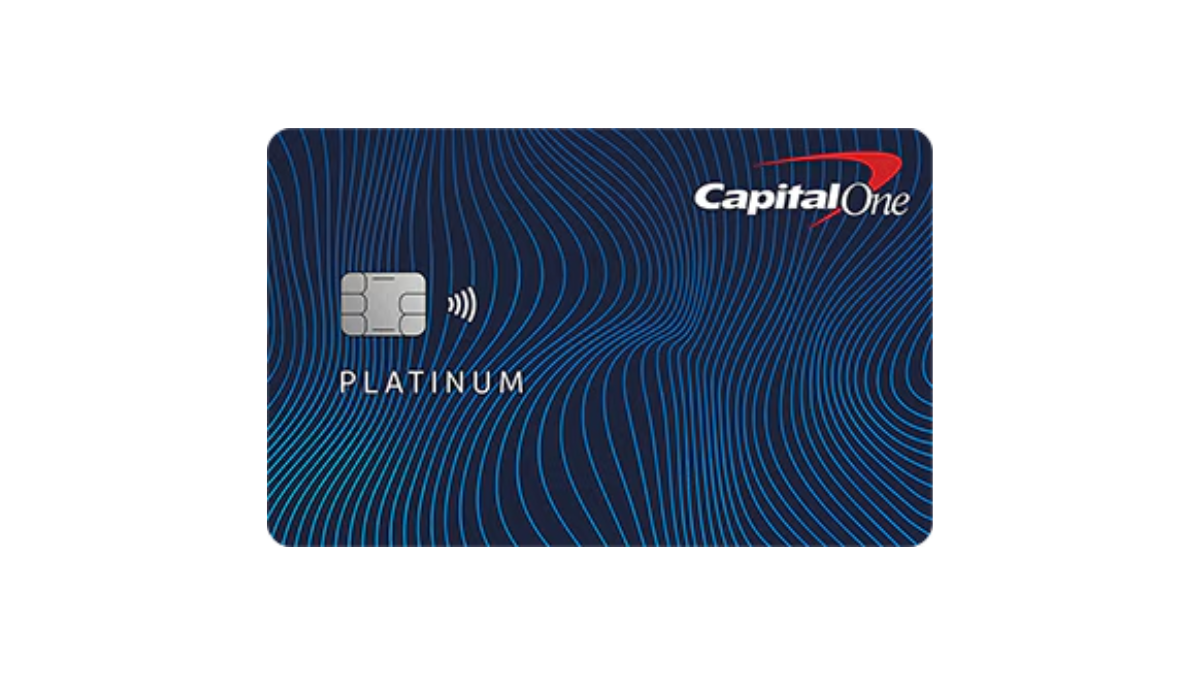
Capital One Platinum Credit Card
Ideal for: Rebuilding or improving credit
The Capital One Platinum is a straightforward card aimed at consumers with fair or average credit. Key features include:
- No Annual Fee
- Credit Steps Program: Get automatically considered for a higher credit limit in as little as six months with on-time payments.
- Fraud Coverage: $0 liability for unauthorized charges.
- Tools for Growth: Access to Capital One’s credit monitoring and financial education tools.
Capital One
Capital One Platinum Credit Card
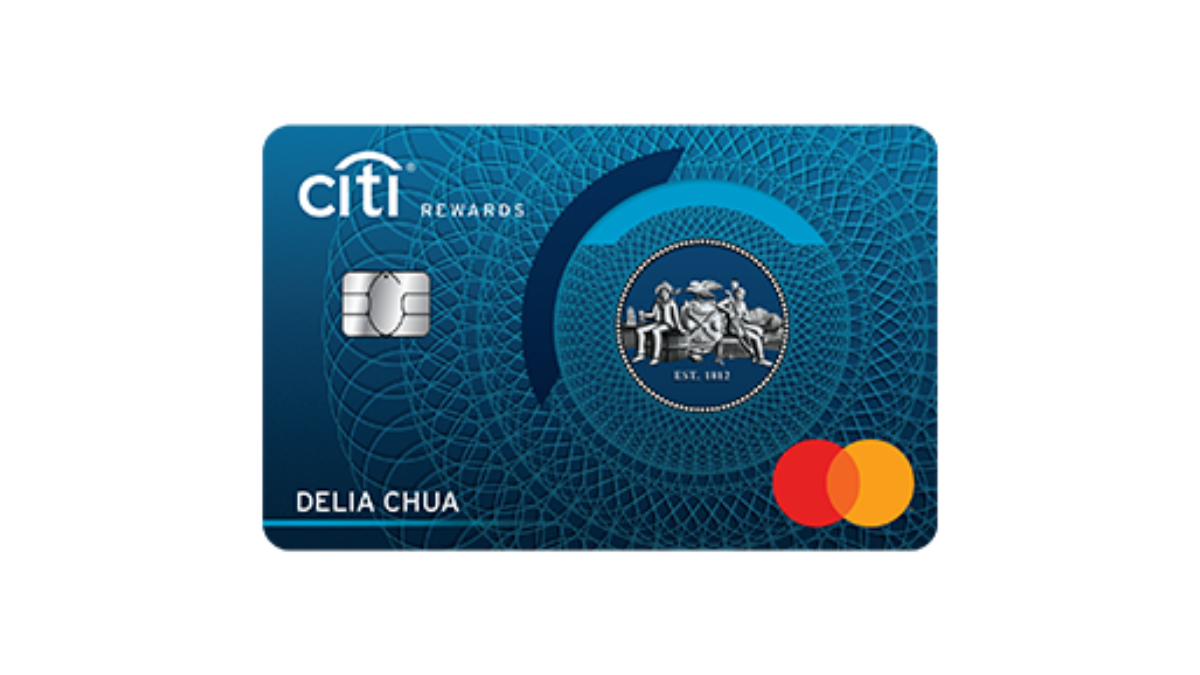
Citi Rewards+® Credit Card
Ideal for: Earning rewards on everyday spending
This card is geared toward individuals with good credit who want to earn points while spending wisely. Benefits include:
- Points Round-Up: Every purchase rounds up to the nearest 10 points.
- Intro Offer: 0% intro APR on purchases and balance transfers for a limited time.
- ThankYou® Points: Earn points on groceries, gas, and other eligible purchases.
- No Annual Fee
Credit Card
Citi Rewards Credit Card
Conclusion
Credit cards can be powerful financial tools when used responsibly, offering benefits like credit building and rewards. However, without proper management, they can lead to debt and financial strain.
By understanding how credit cards work, using them wisely, and considering appropriate financial products, you can navigate the world of credit effectively and maintain financial health.