
Credit card can be incredibly useful tools for managing your finances, building credit, and even earning rewards.
Recommended contents:
But when not used responsibly, they can quickly lead to unmanageable debt, damaged credit scores, and financial stress.
Understanding how to use a credit card wisely and safely is essential—especially if you’re just starting out with credit or trying to rebuild your financial reputation.
In this article, we’ll break down everything you need to know about using a credit card the smart way.
From choosing the right type of card, like those offered by trusted names such as Capital One, Chime, and OpenSky, to avoiding common mistakes, setting spending limits, and protecting your information—we cover it all.
Our goal is to give you clear, practical advice backed by financial expertise so that you feel confident using your credit card without falling into the typical traps.
Whether you’re trying to build credit from scratch, regain control of your financial life, or simply understand the best strategies to maximize your card’s benefits, this guide is for you.
Keep reading to uncover actionable tips and real-world examples that will help you get the most out of your credit card—safely and responsibly.
Understanding Credit Card Basics
Before diving into responsible usage, it’s essential to grasp how credit cards work. A credit card allows you to borrow funds up to a certain limit to make purchases or withdraw cash.
You agree to repay the borrowed amount, along with any interest and fees, by a specified due date. Responsible use can enhance your credit score, while misuse can lead to financial challenges.
1. Choose the Right Credit Card
Selecting the appropriate credit card is the first step toward responsible usage. Consider factors such as annual fees, interest rates, rewards programs, and credit limits.
For instance, the Capital One Platinum Credit Card offers no annual fee and automatic credit line reviews, making it suitable for individuals aiming to build or improve their credit score. citeturn0search4
2. Pay Your Bill on Time
Timely payments are crucial for maintaining a good credit score. Late payments can result in late fees and increased interest rates. To avoid this, set up reminders or automatic payments to ensure your bills are paid promptly. citeturn0search2
3. Pay More Than the Minimum Payment
While making the minimum payment keeps your account in good standing, paying more than the minimum reduces your balance faster and minimizes interest charges. This approach helps you pay off your debt more efficiently. citeturn0search2
4. Keep Your Credit Utilization Low
Your credit utilization ratio—the percentage of your credit limit you’re using—significantly impacts your credit score. Aim to keep this ratio below 30% to demonstrate responsible credit management. citeturn0search2
5. Monitor Your Statements Regularly
Regularly reviewing your credit card statements helps you track your spending, identify unauthorized charges, and ensure you’re staying within your budget. Most credit card issuers provide online tools or mobile apps for easy access to your statements.
6. Avoid Unnecessary Debt
Using credit cards for non-essential purchases can lead to unnecessary debt. Focus on using your card for planned expenses and avoid impulsive buying to maintain financial stability.
7. Understand Fees and Interest Rates
Familiarize yourself with the fees and interest rates associated with your credit card. This includes annual fees, late payment fees, cash advance fees, and the annual percentage rate (APR). Being aware of these charges helps you avoid unexpected costs. citeturn0search3
8. Protect Your Card Information
Safeguard your credit card information to prevent unauthorized use. Use strong, unique passwords for online accounts, and report any lost or stolen cards immediately to your card issuer.
9. Build Credit Responsibly
If you’re new to credit or rebuilding your credit, consider starting with a secured credit card, such as the Chime Credit Builder Card. This card requires no credit check and reports to all three major credit bureaus, helping you build credit safely. citeturn0search0
10. Use Credit Card Rewards Wisely
Many credit cards offer rewards programs, such as cashback, points, or miles. To maximize these rewards, align your spending with the categories that offer the highest returns. However, ensure that the pursuit of rewards doesn’t lead to overspending. citeturn0search5
11. Avoid Using Credit Cards for Cash Advances
Cash advances often come with high fees and interest rates. It’s advisable to avoid using your credit card for cash withdrawals unless absolutely necessary.
12. Review Your Credit Report Regularly
Regularly reviewing your credit report helps you monitor your credit health, identify any discrepancies, and take corrective actions promptly. You’re entitled to a free credit report from each of the three major credit bureaus once every 12 months through AnnualCreditReport.com.
13. Be Cautious with Multiple Credit Applications
Applying for multiple credit cards in a short period can negatively impact your credit score. Each application results in a hard inquiry, which can lower your score. Limit your applications and only apply for credit when necessary.
Financial Products to Help You Build and Strengthen Credit
When you’re working to establish or rebuild credit, the financial product you choose can make a significant difference.
Some credit cards are designed with features that support responsible credit use, offering tools that help you grow your financial confidence.
Below are three trusted options from reputable institutions, each catering to different financial needs and credit situations:
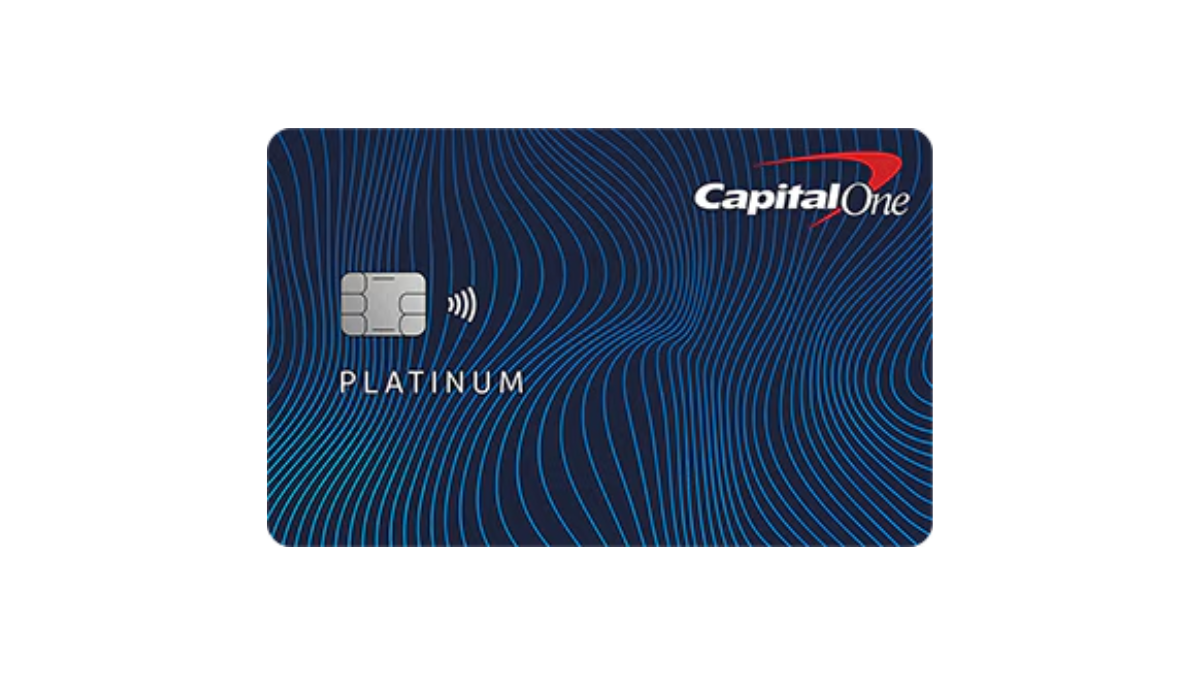
Capital One Platinum Credit Card
This card is a popular choice for those with average or rebuilding credit. It offers a simple, no-frills path to credit improvement, without the burden of extra fees.
- No Annual Fee: Keep costs low while you build credit.
- Credit Line Reviews: Get automatically considered for a higher credit limit after six months of on-time payments.
- Fraud Coverage: $0 liability for unauthorized purchases ensures added peace of mind.
- Access to CreditWise®: Track your credit score and get alerts, all for free.
Capital
Capital One Platinum Credit Card
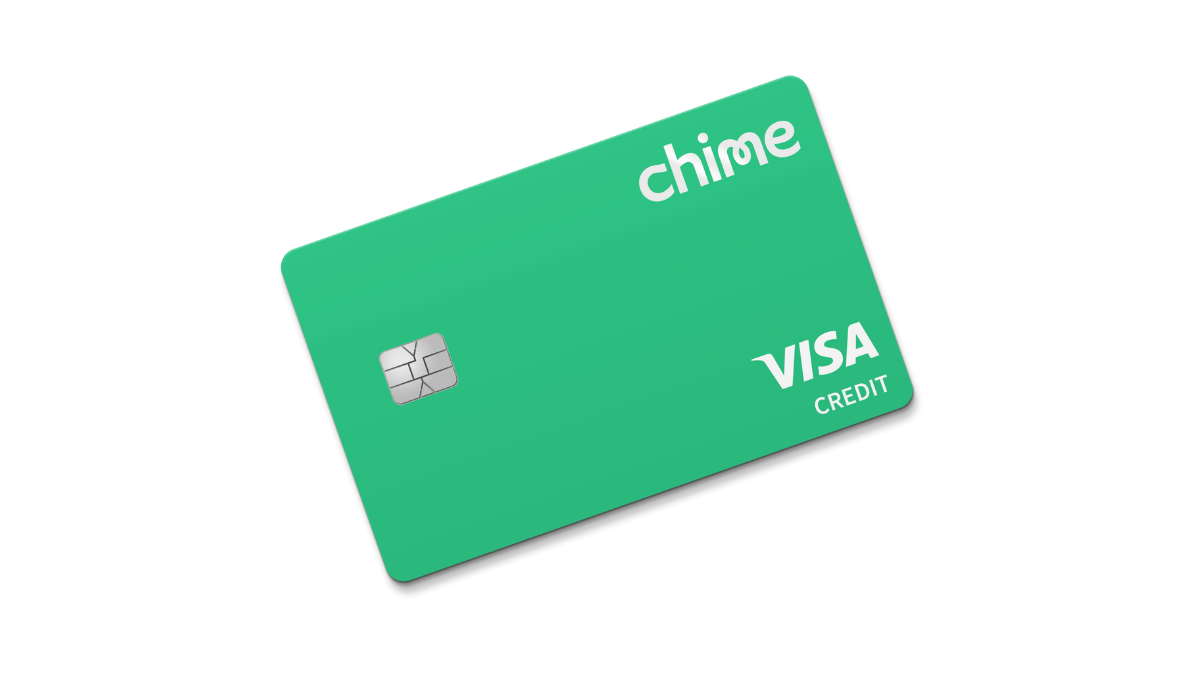
Chime Credit Builder Visa® Credit Card
Unlike traditional credit cards, the Chime Credit Builder Card is a secured card with some unique advantages:
- No Annual Fees or Interest: Spend only what you’ve added to your secured account—no risk of debt or interest charges.
- No Credit Check to Apply: Great for those with limited or poor credit histories.
- Reports to All 3 Credit Bureaus: Helps build a strong credit profile over time.
- Safe Spending Controls: Use only the money you’ve moved into the card account, helping prevent overspending.
Chime
Chime Credit Card
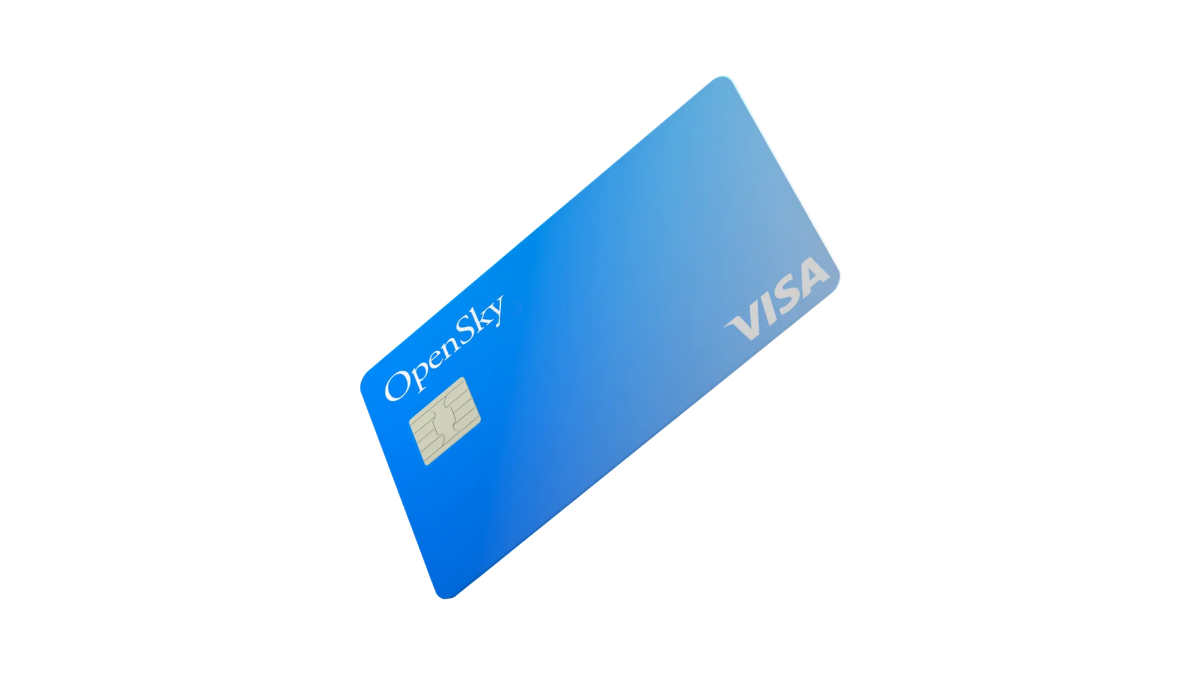
OpenSky® Secured Visa® Credit Card
The OpenSky card is a secured credit card that doesn’t require a credit check to apply, making it highly accessible.
- No Credit Check: Application approval is not based on your credit score.
- Refundable Security Deposit: Your deposit becomes your credit limit and is returned when you upgrade or close the account in good standing.
- Monthly Reporting: Helps establish a credit history by reporting to all major credit bureaus.
- Straightforward Terms: A simple, no-nonsense card with a clear goal—help you build credit.
OpenSky
OpenSky Credit Card
Conclusion
Using a credit card wisely and safely involves understanding how credit works, choosing the right card, making timely payments, and monitoring your spending.
By following these guidelines, you can build a strong credit history and maintain financial health. For more information on secure and reliable credit options, explore our blog for comprehensive reviews and guidance on various financial products.
References: